Focus, what do we mean by the word? In photography to most people it would be an area of sharpness in an image. To me as a professional photographer it means an area of acceptable sharpness. But what do we actually mean by the phrase area of acceptable sharpness?
In this blog we will look into this in detail and I will explain why a deeper understanding of focusing technique can change an image! First the basics and I mean the real basics of what focus is.
The technical definition of photographic focus is "the area of an image with the greatest sharpness and clarity, achieved by adjusting the camera lens so that light rays converge precisely on the image sensor" This is according to AI Generated Overview in a basic Google search.
This is what clients think when asked about what photographic focus is! This AI Generated response, being based on what it's already been fed goes on to inform us that;
Focus is important as it;
Directs Attention:
The sharpest part of a photo acts as a visual guide, telling the viewer where to look and what is most important in the composition.
Creates Meaning:
By selectively blurring other parts of the scene, focus can isolate a subject, remove distractions, and convey specific artistic ideas.
Enhances Quality:
A well-focused image appears crisp, detailed, and of high quality, often distinguishing a successful photograph from a poor one.
Lets look at 2 images;
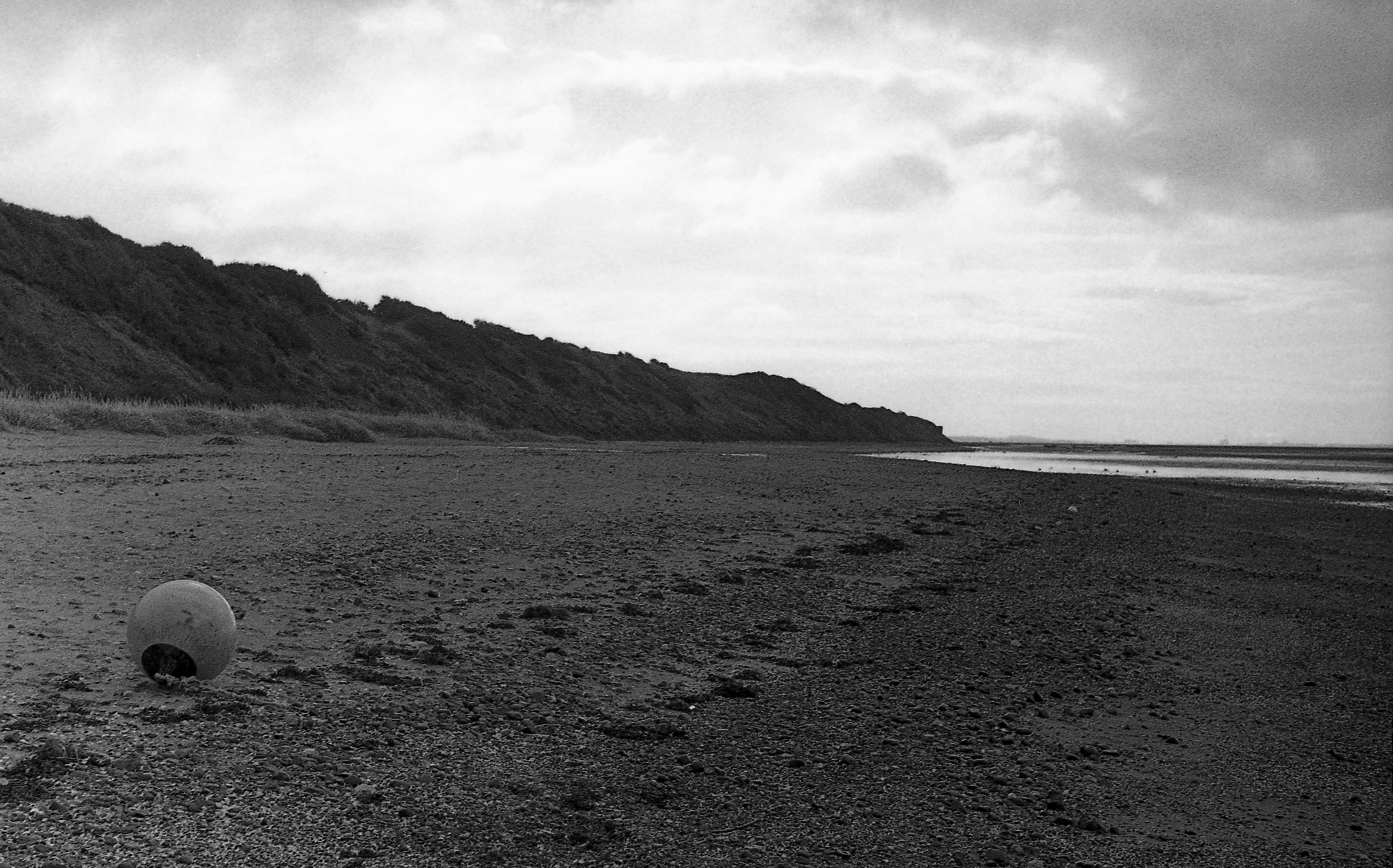
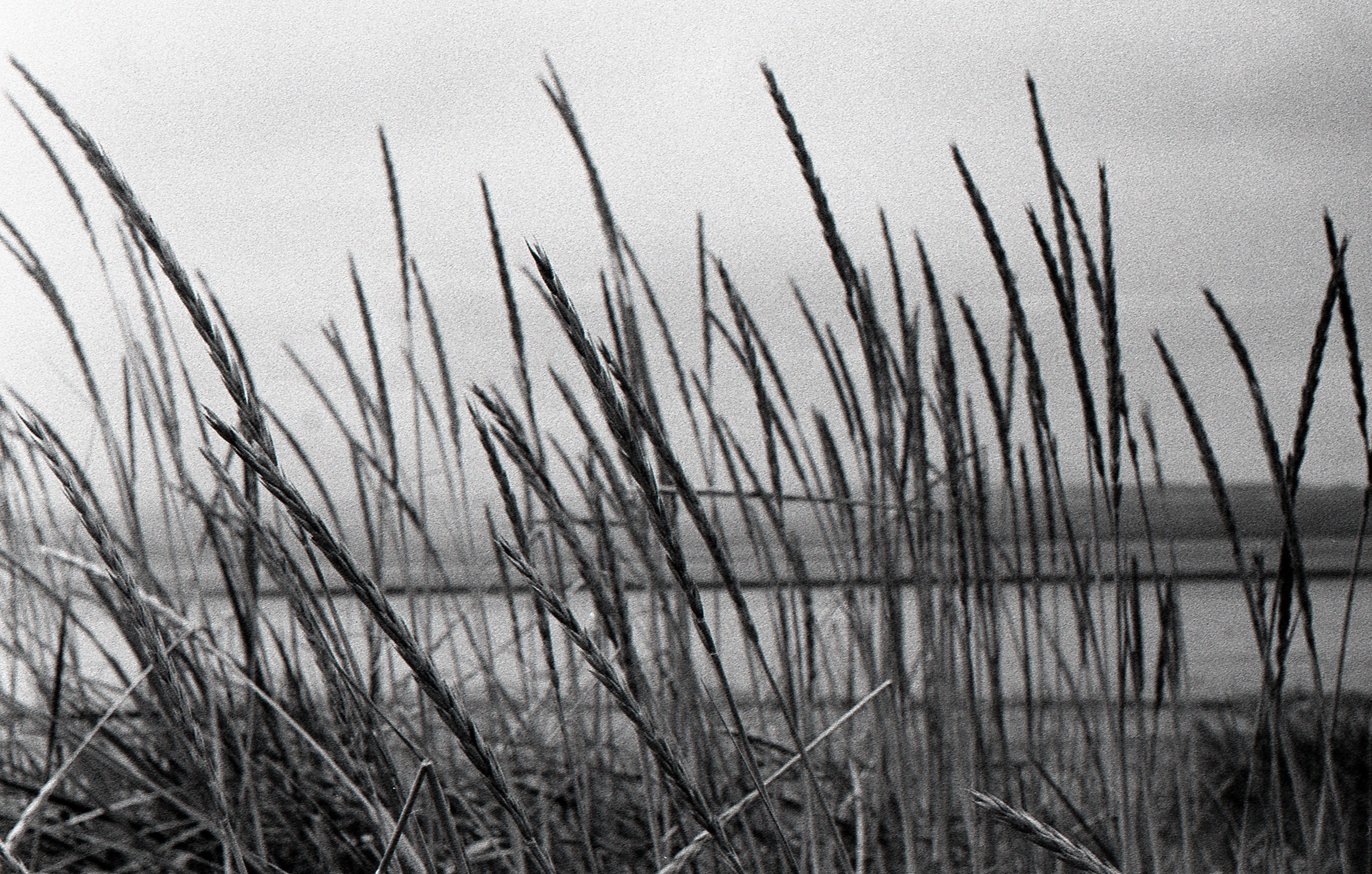
The images emphasise the foreground through selectively focusing on the foreground whilst leaving the background to fade away, these images have also been taken to leave an emotional response but that will be discussed in another blog. Now let's take a look at another couple of images! This time the images are composites of multiple images in order to get acceptable sharpness through the entire frame.


What do we mean by this phrase of acceptable sharpness? This actually derives from a concept in visual physics called "the circle of fifths" which determines how much of an image is perceived by the eye to be in focus at a given distance, it relies on the principle that focus/sharpness is a perceived change in contrast with increases in the smallest points of contrast at a given distance resulting in an image which looks sharp. This is the reason why a billboard photo is perceived as sharp by the brain whilst being taken by potentially smaller mega pixel sensors. When you view this type of image you are not looking at it from a short distance, you are in reality looking at the image from many feet away therefore the smallest points of contrast is small enough to be perceived as sharp so the whole image is perceived to be in focus!
Let's move on to the different types of focus. It's important to understand these next points as this is where the rabbit hole deepens! As if we haven't gone deep enough with the circle of fifths concept, more on this in another blog. There are two types of focus;
1) Optical Focus
2) True Focus
Optical Focus relies on the physics of light as it passes through a lens and the production of an image circle on the sensor, it relies on the size of the image recording surface ie APSC, full frame, medium format, 4x5, 8x10. It relies on aperture or the size of the opening at the front of the lens, it relies on principles of diffraction and how light is dispersed throughout the optical elements before reaching the sensor and it relies on the physical plane of focus. Now the reason this is important is that on a normal lens the plane of focus will always be the same, as the elements of the lens cannot be moved up or down.
Control of the level of focus in these cases is purely down to variables such as the distance between the front element of the lens and the image plane or sensor, aperture where, combined with the changes in size of the recording surface rises to changes in the end result of depth of field or in other words the depth of the zone you want in focus and principles of diffraction. When we talk about diffraction what we mean in this case is the moment when the aperture on the lens reaches a point where it can no longer fully project all the light rays onto the image circle at a single point causing a change in the level of contrast in the edges between high frequency and low frequency area's. Put another way when the aperture is extended beyond f16 the edges of things start to look a little fuzzy and less sharp!
If you have reached this part of the blog fair play i'm sure the next bit will bore you completely, but hang with me and you may learn a little!
True Focus relies on the manipulation of the focal plane where focus really lies and relies on the photographer being able to selectively change where they want the plane of focus to be! This is achieved by raising and lowering the lens to different heights and tilting the lens forward and backward. On large format camera's changing the lens height in comparison to the film plane is called rising and falling whilst tilting the lens forward and backward is as you have probably already guessed is called tilt!
Understanding the effect of tilt and shift in imagery creation is important as it allows us to navigate around the usual rules. An example of this would be through something called "The Scheimpflug Principle" This is a mathematical principle which describes the relationship between the orientation of a plane of focus, the lens plane and the image plane in a camera when the lens plane is not parallel to the image plane! Put simply if we wanted to take a landscape image with close foreground elements and far environmental elements all in focus, without needing to stop down past F16 avoiding the principle of diffraction we could do this by deploying the use of tilt and the Scheimpflug Principle. This would create a cone of focus which would allow to get the foreground element and the rear element in focus at a lower F Stop without the need to stitch multiple images together as a composite!
Why would I need to know this you ask? Well the answer is more complicated than you think! For starters it saves time, taking one image with your subject fully in focus is quicker than taking multiple images and the time taken to edit these images together in post, never mind the additional work to combat issues such as focus breathing and the need for exposure blending techniques utilised during post production workflows. In Commercial work this also saves time as you do not have to focus stack images, you get more consistent lighting, exposure and higher colour accuracy first time whilst saving the computing power required to stitch multiple images together, making the production of these images cheaper for the end client! This also allows us to show the end image to clients more quickly as they do not have to wait for the final editing to be done to know whether or not their key aspect is in focus in the way they would like.
Understanding different focusing techniques is important to be able to solve problems otherwise unknown when producing higher quality images. Understanding the principles of focus and how focus truly works can save time and money when deployed properly! I am going to end this blog here as we have gone deep enough in todays session!
I will continue to update this blog fairly regularly with more techniques and little known things around high end photography production so stick around if you want to find out more!