
In another instalment of this blog, this week it's all about exposure! It's a deeper rabbit hole than most people think, so get yourself a large drink and settle into a large comfortable chair whilst we dive deep into the world of photographic technique!
Let's start at the very beginning and define what photographic exposure is. In its simplest terms it means how much light has reached the sensor or piece of film in the camera which has produced an image. Let's discuss digital capture first, this is what most people will be aware of and what most people have on them in the form of a mobile phone. This is a point where I must explain things will get complicated going forward from here and I am giving you the opportunity to bail....
Okay still with me? Let's move forward. On a digital camera exposure comes about through the manipulation of what is found everywhere on the internet and known widely as the exposure triangle, a relationship between Aperture (the hole at the front of the lens which is measured in F-Stops) Shutter Speed (how long the sensor is subjected to the light source measured in fractions) And ISO (how much of the signal from the light source is amplified measured in camera manufactured numbers) Notice here how I have said ISO is how much of the signal is amplified, not how sensitive the sensor is to light! F-Stops and ISO numbers we will go into greater depth on later in this blog!
This is important as the effect of these three things together can make substantial differences to the production of the image. What is never mentioned unless you spend years understanding your craft is the added effects of other aspects involved in image creation which can depend on the camera you own and the lenses you use!
Digital sensors have come a long way since the 1990's now being the go to medium for photography, however you can't change the laws of physics and in terms of image creation an understanding of the physics involved makes a difference. Digital sensors come in different sizes mainly APSC and Full Frame. Digital sensors also come in bigger sizes which is referred to as medium format up to the dimensions of around 6x4.5cm.
Film is different in that from a professional stand point at least, camera's start at full frame and move into the medium format space with dimensions of 6x4.5cm, 6x6cm, 6x7cm, 6x9cm and 6x12cm before moving to larger formats like 4x5in or 8x10in.
The reason why we should understand this is because if I shoot an image on APSC and shoot the same image on Full Frame the exposure doesn't change but the amount of light captured on the sensor does. Compared to APSC an image captured on a Full Frame Sensor captures more light, compared to Full Frame an image capture on a medium format sensor does the same, meaning it does not have to be amplified as much (therefore can be taken at a lower ISO) and has a higher dynamic range (range of tonality in an image measured in stops of light)
Understanding this principle is important as it has a real effect in the real world! This is the reason why medium format is sought after in the commercial space and in high end studio portraiture! Now don't get me wrong there is more to exposure than just sensor size, but an appreciation of the nuances makes a difference and when choosing a photographer gives you, the client a better understanding of what things mean!
Now we have had a look at the effect of sensor size on exposure now lets have a look at a couple of other things that have an effect, lets start with aperture. There is a difference between F-Stop and T-Stop. F-Stop refers to the amount of light that theoretically reaches the sensor when an image is made whereas a T-Stop refers to a measured value of light that will reach the sensor plane when the image is taken. These 2 measurements are very different when it comes to constancy in colour and exposure and something that a photographer who truly understands their craft will know will have an effect on the final image. This is one of the reasons why I shoot a manual focus medium format lens on my full frame camera body. Colour accuracy is higher and the resolving power of the lens is higher as it's a bigger lens!

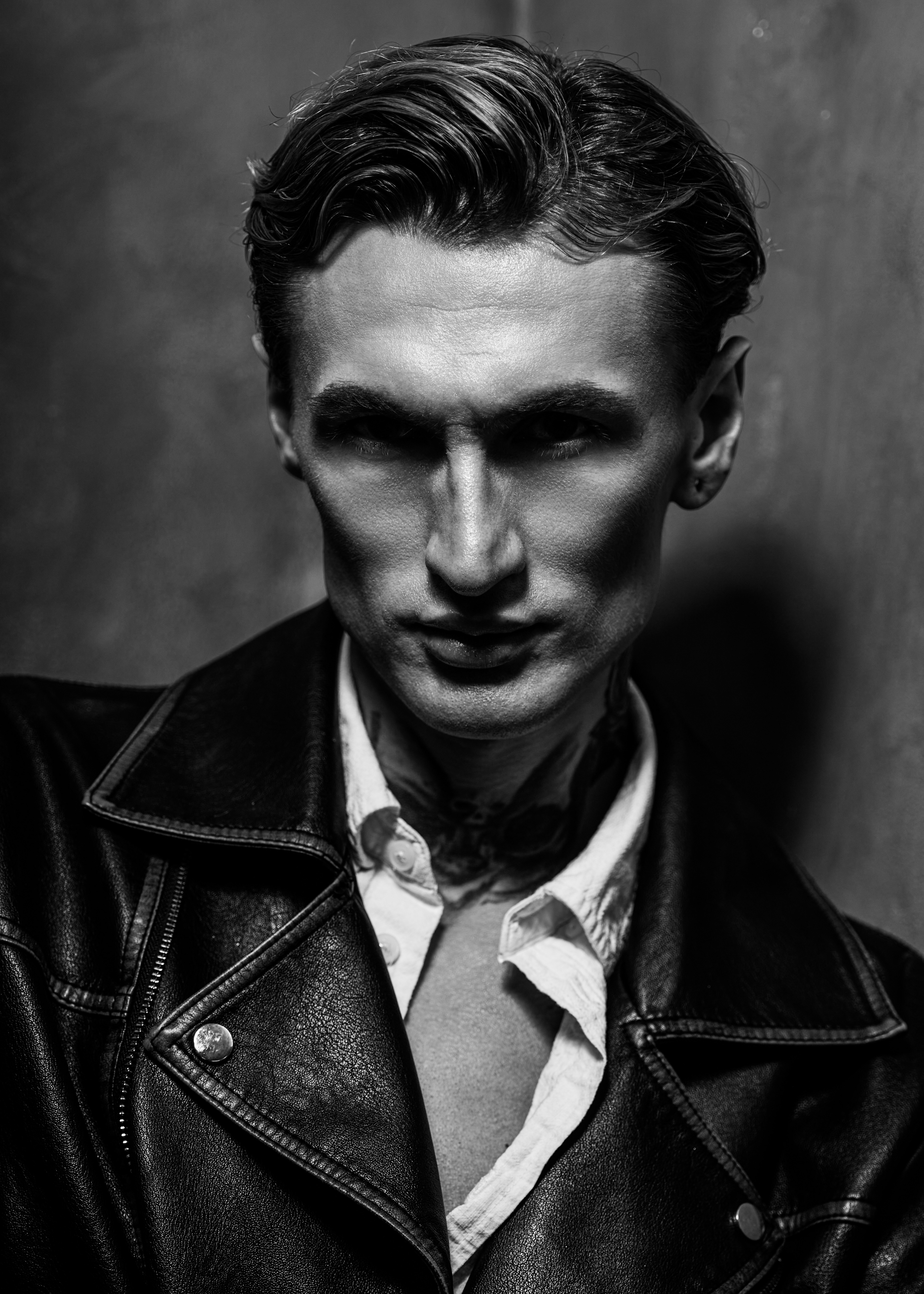
These 2 images are taken on very different lenses. The image on the left is taken on an AF 50mm Lens whereas the image on the right is taken on a Bronica 110mm Macro Manual Focus lens.
This brings me on to ISO. ISO is not what people think it is! Especially in the case of some photographers who have never shot film and therefore do not fully understand where this term comes from. In the old days film was given an ASA rating which was a measurement of film speed/film sensitivity. The reason why this is important is that it rated speeds of different manufacturer's so when you shot ASA 400 on Ilford film this was the same as shooting ASA 400 on Kodak film in terms of photographic exposure! When film was developed you had a more varied choice as to how you wanted the final image to look based on a higher variety of factors including but not limited to, film speed, push/pull process, developer, temperature, fixer and agitation time.
When things moved to digital this all ended. The ability to choose which developer you liked for a specific image or what temperature you wanted to develop at disappeared essentially over night. We were left with a different way of working and this meant camera manufacturer's had to use another measurement. ISO had been around for a while however different camera companies decided to change the way they rated their sensors which meant this standard is for all intents and purposes defunct!
ISO 400 on a Canon Camera is not the same as ISO 400 on a Nikon or Pentax for example. Their sensitivities are based on gain (how much of the original signal has to be amplified to get to the same level of exposure). The level of gain and its translation into an ISO speed is agreed upon by the manufacturer themselves which can mean results per camera can change.
Now most people taking images will not notice the difference or even care about its effect, In the professional space though this can make a real difference and understanding this fully can make a difference in the amount of time spent on the computer in post processing which saves time and cost for the client, this also has an effect on the shoot itself in order to get the most out of the camera your using on the day and the image processing software capability you have at you disposal!
Exposure in itself is an easy concept to understand, the nuances though are far more difficult and putting this into practice is what defines a true professional from someone who is just having a go! And so ends this lesson in exposure and the blog for this week!